
Fife Zoo Achieves EAZA Accreditation: What It Means for Visitors, Animals and Conservation
Fife Zoo recognised as part of Europe’s leading zoo community
We’re proud to share some big news — Fife Zoo has officially been accredited by the European Association of Zoos and Aquaria.
This recognition places us among a network of leading zoos and aquariums across Europe, all committed to high standards in animal welfare, conservation, education and research.
For our small, family-run zoo near Cupar, it’s a huge milestone — and one that reflects the dedication of our team and the continued support of our visitors.

What is EAZA accreditation?
EAZA accreditation is a rigorous process designed to ensure zoos meet some of the highest standards in the industry.
To achieve accreditation, every part of a zoo’s operation is independently assessed, including:
Animal welfare and care
Enclosure design and habitats
Veterinary provision
Health and safety procedures
Conservation work
Education programmes
Long-term planning and management
It’s not just a tick-box exercise — it’s a detailed, peer-reviewed inspection carried out by experienced zoo professionals.
Put simply, it’s a recognised mark of quality.

Why this matters for visitors
When you visit Fife Zoo, you’re not just enjoying a great day out — you’re supporting a zoo that:
Meets recognised international standards
Is committed to continuous improvement
Actively contributes to conservation efforts
Provides meaningful education about wildlife and the environment
EAZA accreditation gives you added confidence that the animals in our care are looked after to a high standard and that your visit has a positive impact.

The bigger picture: Zoos and conservation
Modern zoos play an increasingly important role in conservation.
Across the European Association of Zoos and Aquaria network, institutions work together to:
Protect endangered species
Maintain genetic diversity through breeding programmes
Support conservation projects around the world
Educate millions of visitors each year
This collaborative approach is essential — protecting species isn’t something one zoo can do alone.
Why lemurs need our help
One of the clearest examples of this global challenge is Madagascar.
Madagascar is one of the world’s most important biodiversity hotspots, but has lost more than 70% of its original primary vegetation. This ongoing habitat loss has had a devastating impact on its native wildlife.
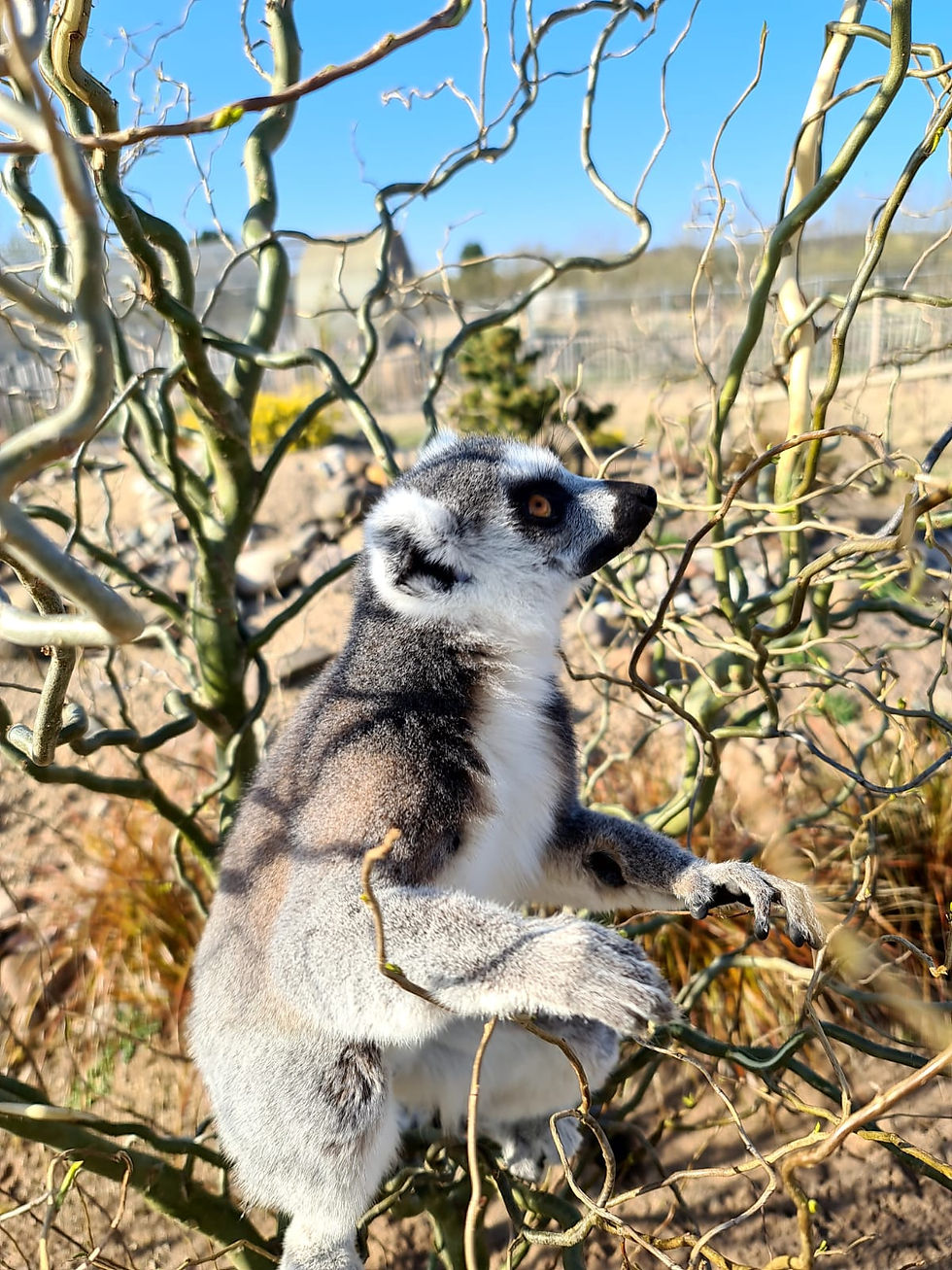
Lemurs are now considered the most endangered group of mammals on the planet, with around 98% of species threatened with extinction.
At Fife Zoo, we are home to several lemur species, including:
Ring-tailed lemurs
Red-bellied lemurs
Crowned lemurs
Through our involvement in coordinated breeding programmes and education, we play a small but important role in helping to protect these incredible animals for the future.
Supporting wildlife closer to home
Conservation isn’t just about faraway places.
Here at Fife Zoo, we also support native wildlife, including wild red squirrels on site — a species that has declined significantly across much of the UK.
By monitoring and protecting habitats, and raising awareness among visitors, we’re helping to support biodiversity right here in Scotland.

A step forward for Fife Zoo
Achieving EAZA accreditation is an important milestone, but it’s also part of an ongoing journey.
It reflects:
The hard work of our team
Our commitment to improving standards
Our role within a wider conservation community
Most importantly, it reinforces what Fife Zoo is all about — bringing people closer to animals while contributing to their future.
Plan your visit
If you’re looking for things to do in Fife with kids, planning a family day out near Cupar, or interested in animal encounters in Scotland, Fife Zoo offers a fun, educational and meaningful experience.
👉 Book your visit today and be part of something bigger.


Comments